

On July 30, 2026, Eastern Time, the Fed concluded its two-day policy meeting and announced keeping the federal funds rate target range at 5.25%-5.50%, in line with market expectations. However, the policy statement maintained a high alert on inflation risks and reiterated being "prepared to further tighten policy if necessary," a more hawkish tone than before. This result led to divergent early trading among the three major US stock indexes: the Dow Jones Industrial Average edged up 0.2%, supported by banks and energy stocks; the S&P 500 fell 0.4%; the Nasdaq Composite fell 0.8%, led by tech stocks.
1. Rate Decision Details: Holding Steady but Hawkish Tone
The Fed stated in the statement that recent economic data indicate economic activity is "expanding at a solid pace," job growth remains strong, and unemployment stays low. But inflation is "still elevated," and progress in recent months has been "limited." The committee sees the risks to achieving employment and inflation goals as roughly balanced but remains "highly attentive to inflation risks." Compared to the previous statement, this one removed the phrase "inflation has moderated" and instead emphasized "inflation remains elevated," signaling the Fed's dissatisfaction with the pace of inflation decline.
At the subsequent press conference, Fed Chair Jerome Powell said: "While we are holding rates steady, this does not mean we have ended the rate hike cycle. We need to see more sustained evidence that inflation is sustainably moving back toward our 2% target." Powell also noted that tight labor market and wage growth remain key factors pushing up service inflation, with significant internal disagreement, but most committee members believe "maintaining high interest rates this year and next is appropriate."
2. Market Reaction: Dow Stands Out, Tech Stocks Under Pressure
After the rate decision, the 10-year US Treasury yield briefly rose to 4.98%, hitting a two-week high. The US dollar index strengthened, weighing on risk appetite. As of midday, among Dow components, JPMorgan (JPM) rose 1.3%, ExxonMobil (XOM) gained 0.9%, benefiting from the boost to bank net interest margins from high rates and energy price rebound. Among the 11 S&P 500 sectors, energy rose 1.2%, financials gained 0.5%, while tech fell over 1.5% and communication services fell 1.1%.
Tech giants underperformed: Apple (AAPL) fell 2.1%, Amazon (AMZN) fell 1.8%, Microsoft (MSFT) fell 1.5%, Alphabet (GOOGL) fell 1.3%. Market analysts believe the high-rate environment continues to compress growth stock valuations, especially for tech companies with high forward cash flows. Meanwhile, some investors worry about the erosion of short-term profits from AI-related capital expenditures, triggering profit-taking.
3. Industry Interpretation: Sticky Inflation Dictates Policy Path
An Angu Financial News strategy analyst noted: "Today's meeting essentially sent a signal to the market that rate cuts are far off. Although the dot plot suggests one more rate hike is possible this year, the market had previously priced in around a 30% probability of a rate cut in September; that expectation is now clearly broken. Unless inflation data unexpectedly drops significantly in the coming months, the high-rate environment will persist longer."
On the economic front, the US Q2 GDP initial estimate showed growth of 3.5%, well above potential, but the core PCE price index remained high at 3.4% year-over-year, far from the 2% target. Additionally, recent signs such as declining consumer confidence and rising credit card default rates indicate the lagged impact of high rates on the real economy is emerging but has not yet transmitted to core inflation. Hence, the Fed faces a dilemma: balancing inflation control against avoiding excessive tightening that could cause a recession.
4. Future Outlook: Focus on Tech Earnings and Jobs Data
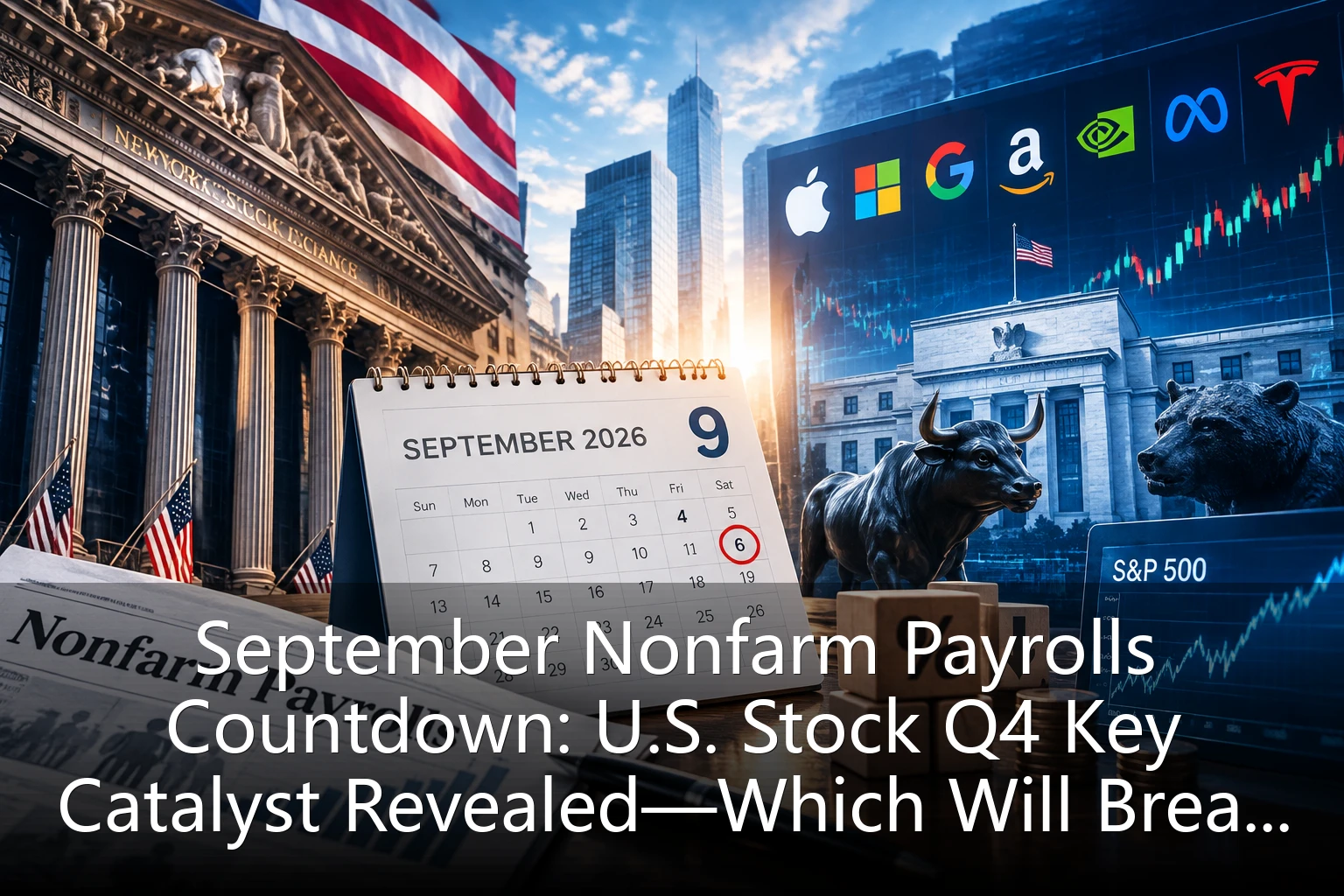
Over the next two weeks, more major tech earnings will be released, including Nvidia (NVDA) and Tesla (TSLA). Market expectations on whether these companies' profits can support current high valuations will be key. Meanwhile, the July non-farm payrolls report on August 2 will be the next major catalyst. If employment data remains strong, it could further strengthen the Fed's hawkish stance, deepening the US stock market correction.
From a technical perspective, the S&P 500 found support near 5500, but if it breaks below 5450, a larger correction could begin. The Nasdaq has already fallen below its 200-day moving average, with short-term momentum bearish. Investors should remain cautious, reduce growth stock positions appropriately, and rotate into defensive sectors such as utilities and healthcare.
Appendix: Major Index Closes (As of Press Time)
- Dow Jones Industrial Average: 40,682.35, +0.21%
- S&P 500: 5,510.23, -0.38%
- Nasdaq Composite: 17,254.68, -0.79%
- 10-Year US Treasury Yield: 4.98%, +5bp
Data as of 11:30 AM Eastern Time on July 30. Markets are still moving. Follow Angu Financial News US Stock Live Channel for real-time analysis.